
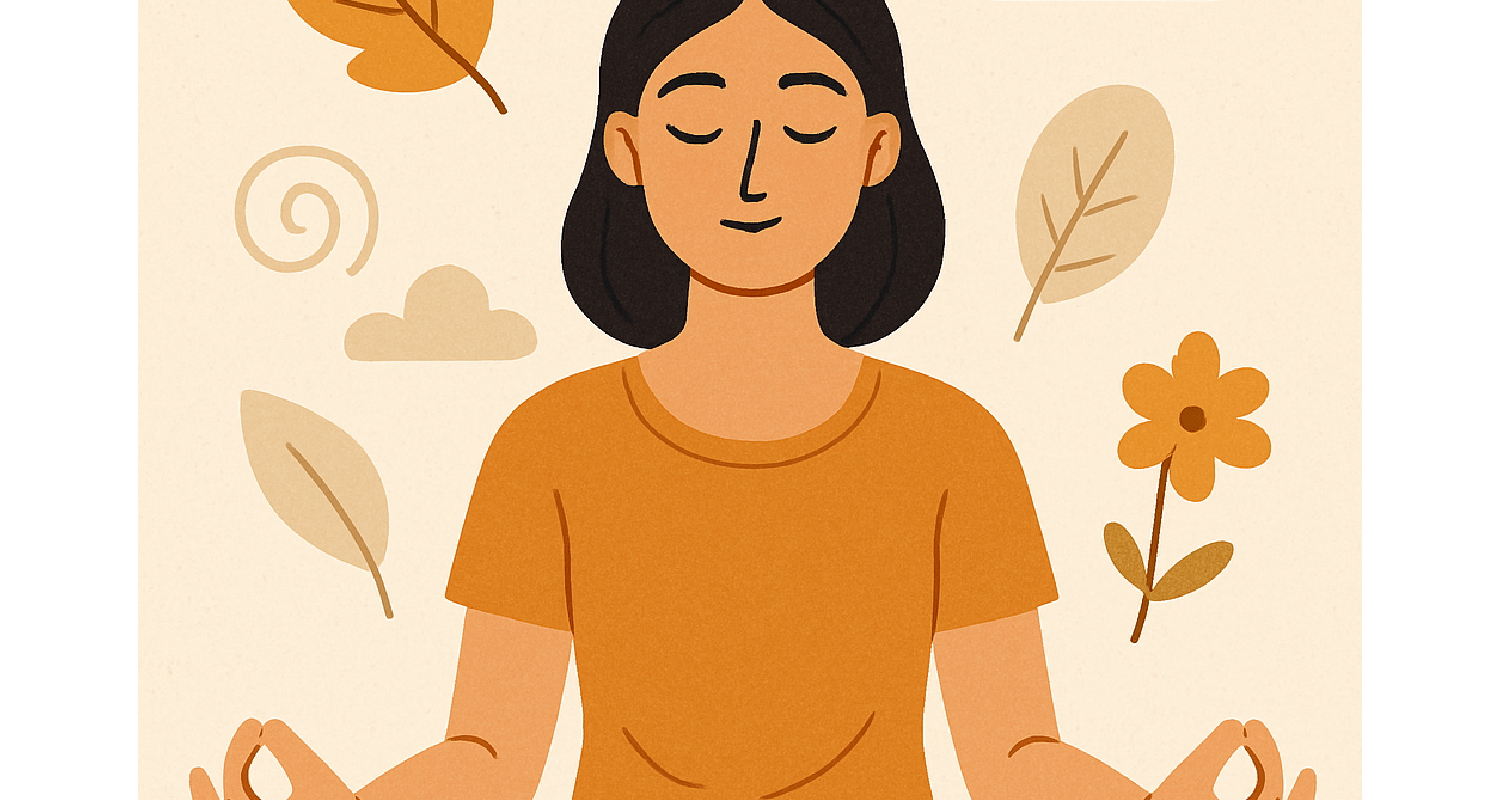
In a world of constant notifications, tight schedules, and ongoing demands, many of us are left feeling scattered, overwhelmed, or emotionally drained. At Alssaro Counseling Services, we often remind our clients that you don’t have to completely unplug or retreat to a mountain to find peace. You can create small pockets of stillness and clarity right where you are—through mindfulness.
What Is Mindfulness?
Mindfulness is the practice of bringing your full attention to the present moment, without judgment. It’s about being aware of what you’re doing, thinking, and feeling, as it’s happening. Rather than getting pulled into past regrets or future worries, mindfulness invites you to pause and return to now.
Research shows that even just a few minutes of mindfulness each day can help lower stress, reduce anxiety, improve focus, and even enhance emotional regulation.
Everyday Mindfulness Practices That Take Just Minutes
You don’t need to carve out an hour or sit in silence on a meditation cushion. Here are a few simple ways to incorporate mindfulness into your daily routine:
1. Mindful Breathing (1–3 minutes)
Take a moment to breathe deeply. Inhale slowly through your nose, hold for a moment, then exhale gently through your mouth. Focus only on the sensation of your breath. If your mind wanders, that’s okay—gently guide it back.
💡 Try this while waiting in line, before a meeting, or right when you wake up.
2. The 5-4-3-2-1 Grounding Tool
Feeling anxious? This technique helps you anchor yourself in the moment:
- 5 things you can see
- 4 things you can touch
- 3 things you can hear
- 2 things you can smell
- 1 thing you can taste
It takes just a couple of minutes and can be done anywhere—at your desk, in your car, or before a social event.
3. Mindful Transitions
Instead of rushing from one task to another, pause for 30 seconds between activities. Take a breath, stretch, or step outside. Give yourself permission to reset.
4. Intentional Eating
Even one mindful bite can change your relationship with food. Pause before eating, notice the texture, flavor, and aroma of your meal. Put down your fork between bites and eat slowly, without screens.
5. Body Scan at Bedtime
As you’re lying in bed, gently move your attention from your toes to the top of your head. Notice where you’re holding tension and invite those muscles to relax. This can improve sleep and help your body unwind after a long day.
Why It Matters
These brief moments of presence may seem small, but they add up. When practiced regularly, mindfulness can create space between your thoughts and your reactions. You might notice more patience with your kids, more clarity in decision-making, or simply a deeper sense of peace.
At Alssaro Counseling Services, we integrate mindfulness techniques into therapy sessions when appropriate and support our clients in building these skills at their own pace. Whether you’re navigating anxiety, burnout, or simply trying to stay grounded, mindfulness is a tool available to you—no equipment needed.
Start Small, Stay Consistent
Mindfulness isn’t about perfection—it’s about practice. Try choosing one moment today to pause, breathe, and be present. Over time, you’ll likely notice the shift.
If you’re curious about incorporating mindfulness into your mental health journey, we’re here to help. Ask your therapist about personalized practices that may support your goals.