
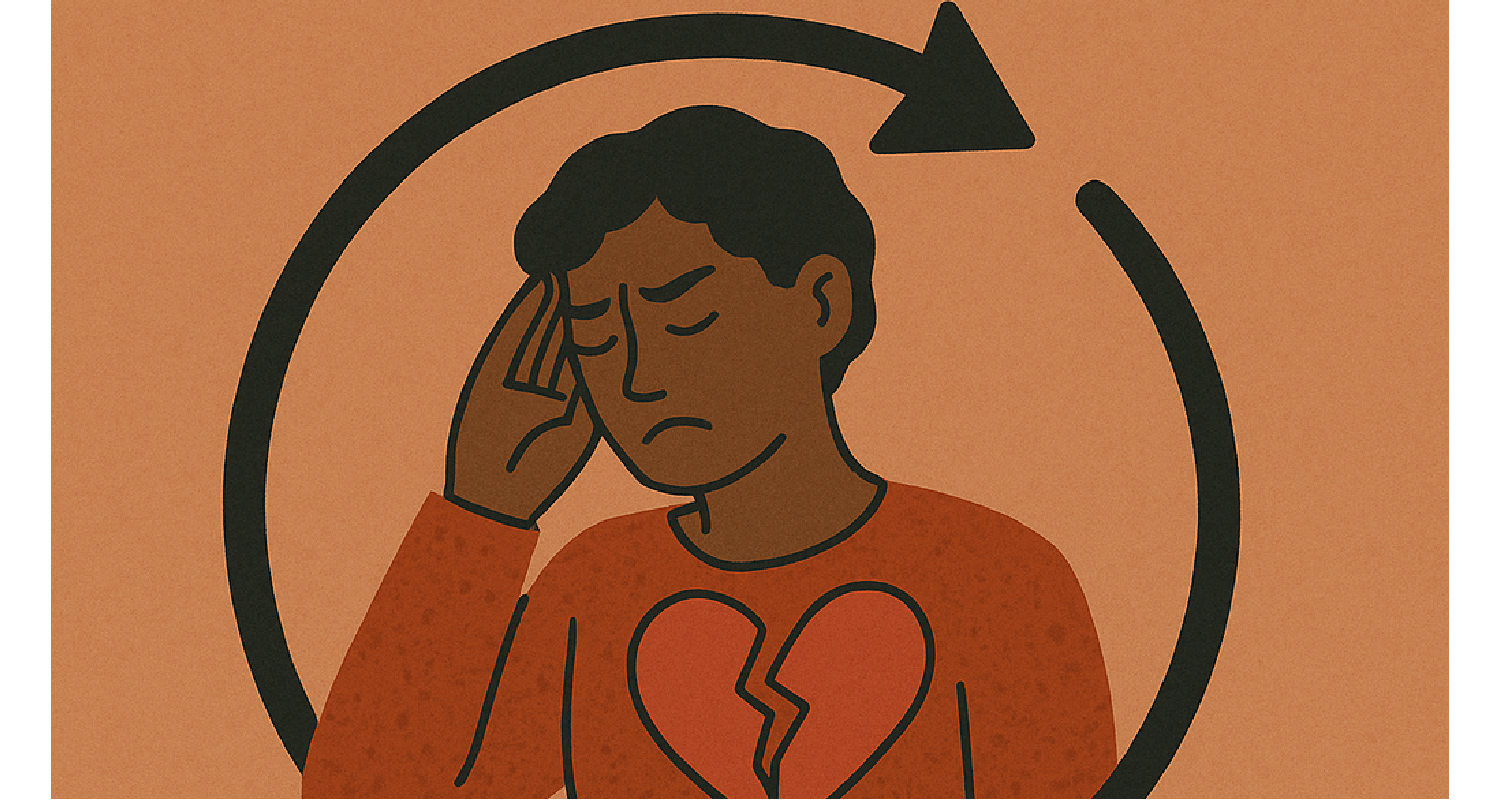
What is self-sabotage?
Self-sabotage is any intentional action or inaction that blocks your own progress: procrastinating on goals, picking conflicts that derail relationships, over-committing until you burn out. Researchers describe it as behavior that “undermines good intentions and long-term aims.”
Why do we do it?
- Fear of failure or success: avoiding a goal can feel safer than risking disappointment, or the pressure that follows achievement.
- Impostor feelings and success guilt: a 2024 longitudinal study found that guilt over success fuels impostor thoughts, which in turn predict self-handicapping and submission.
- Old survival strategies: habits that once protected us in childhood can persist even after the danger has passed.
Common self-sabotaging patterns
- Chronic procrastination
- Perfectionism that stalls projects
- Negative self-talk and harsh inner criticism
- Substance or screen overuse as avoidance
- Repeatedly entering unhealthy relationships
These patterns share a core theme: short-term relief that creates long-term cost.
The mental-health impact
Over time self-sabotage intensifies anxiety, fuels shame, and erodes self-confidence, keeping people stuck in a loop that confirms their worst fears. Left unaddressed, it can contribute to depression and other mood disorders.
Practical steps to break the cycle
| Step | What it looks like in practice |
| Notice the trigger | Keep a brief log: What happened, what you felt, what you did. |
| Name the narrative | Identify the automatic thought: “If I try, I will fail.” |
| Challenge the thought | Use a CBT worksheet to examine evidence for and against it. |
| Practice self-compassion | Replace self-criticism with a supportive statement you would offer a friend. |
| Set micro-goals | Break large tasks into fifteen-minute actions to generate momentum. |
| Reward progress | Celebrate effort, not just results, to re-train the brain’s reward system. |
Evidence-based therapies that help
- Cognitive-Behavioral Therapy (CBT): restructures thoughts and builds new behavioral experiments.
- Acceptance and Commitment Therapy (ACT): teaches clients to defuse from unhelpful thoughts and act on values.
- Dialectical Behavior Therapy (DBT): reinforces emotion-regulation and distress-tolerance skills when sabotage is linked to intense emotions.
When to seek professional help
If you see these patterns despite repeated self-help attempts, or if sabotage is harming your mood, relationships, work, or health, reach out for therapy. A trained clinician provides accountability, skills coaching, and a safe space to rewrite the story.
Our commitment at Alssaro Counseling Services
Alssaro was founded by therapists, for real people, and has spent the last eighteen years helping clients uncover and transform self-defeating cycles. Our licensed team delivers personalized, weekly one-to-one care, plus group programs that foster community healing. We accept major insurance plans and offer evening and weekend sessions to meet busy schedules.
Ready to move from self-sabotage to self-support? Contact Alssaro Counseling Services today for a collaborative plan that honors your strengths, clarifies your values, and turns self-belief into sustainable action.
Your journey away from self-sabotage starts the moment you decide to show up for yourself. We will be here to guide every step.