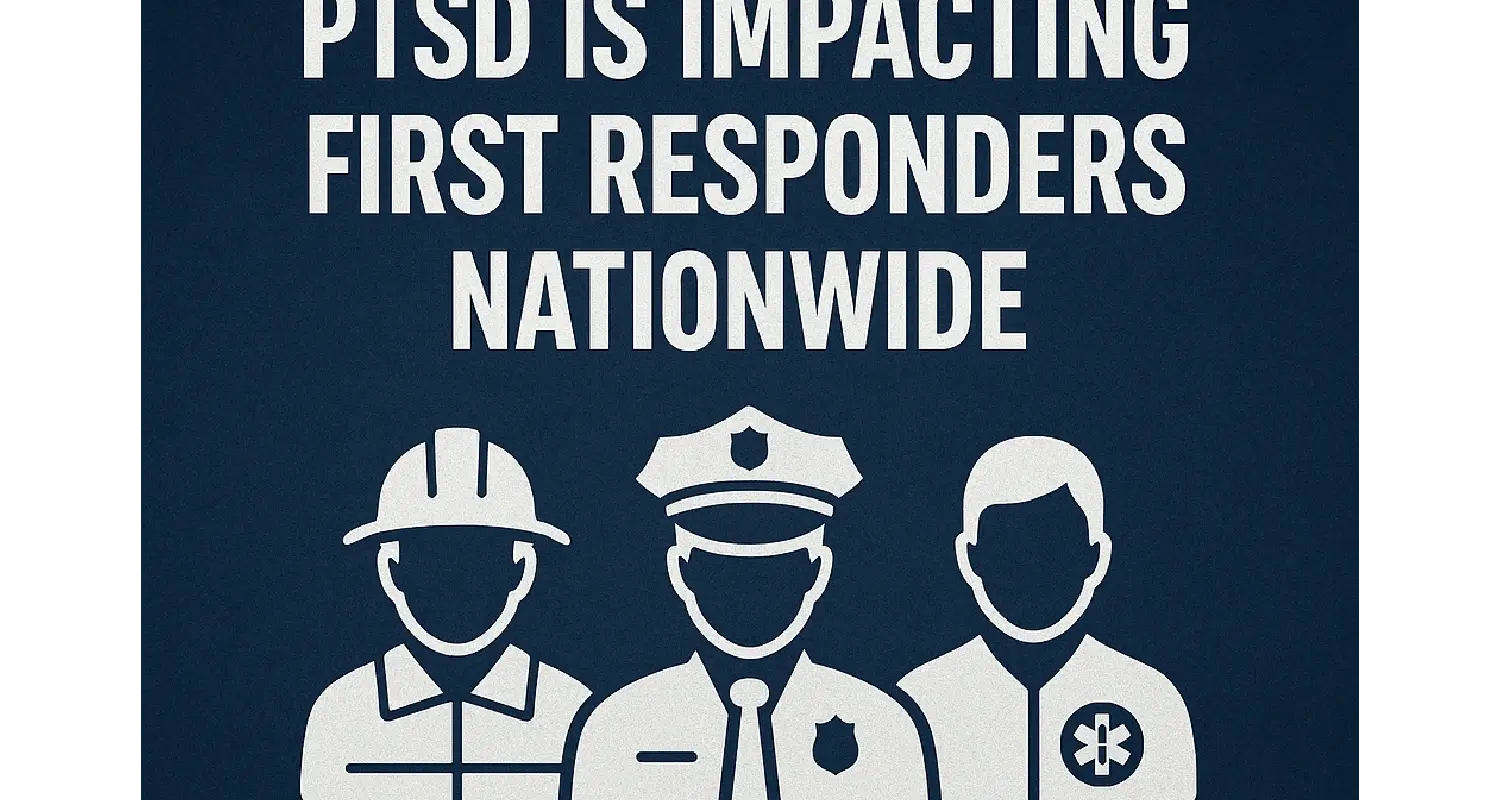
Across the United States, first responders, paramedics, firefighters, police officers, EMTs, and other frontline emergency workers are carrying invisible wounds. While they are trained to handle crises, what is less discussed is how chronic exposure to trauma deeply affects their mental health. At Alssaro Counseling Services, we believe it’s time to elevate the conversation about Post-Traumatic Stress Disorder (PTSD) among first responders and ensure they receive the recognition, support, and care they deserve.
Facing Trauma Every Day
Unlike many professions, first responders are repeatedly exposed to high-stress and life-threatening situations. They witness injury, death, violence, and the aftermath of disasters—sometimes all within a single shift. These cumulative experiences, especially when left unprocessed or unacknowledged, can lead to PTSD.
Common PTSD symptoms in first responders include:
Intrusive thoughts or flashbacks of traumatic events
Nightmares and sleep disturbances
Hypervigilance and exaggerated startle responses
Emotional numbness or detachment from loved ones
Irritability, mood swings, or outbursts of anger
Difficulty concentrating and feelings of hopelessness
Many continue to serve through these symptoms, fearing stigma, job repercussions, or letting their team down. But untreated PTSD can lead to depression, substance use disorders, broken relationships, and tragically, increased suicide rates.
The Cultural Barriers to Seeking Help
One of the biggest hurdles to treating PTSD in first responders is the culture of silence. In many departments, strength is defined by toughness, not vulnerability. This mindset—while useful in emergencies—can be damaging in the long term when it discourages help-seeking.
Fear of appearing “weak,” being passed over for promotions, or facing judgment from peers often prevents first responders from opening up about their struggles. This creates a dangerous cycle where trauma is internalized, not processed.
Signs It’s Time to Reach Out
If you’re a first responder or care about someone who is, here are a few red flags that might signal the need for professional support:
Avoiding people, places, or tasks related to the job
Feeling emotionally disconnected or isolated
Increased use of alcohol or drugs to cope
Difficulty maintaining work performance or personal relationships
Thoughts of self-harm or suicide
It’s important to know: PTSD is not a weakness. It’s a wound. And like any wound, it deserves treatment.
How Alssaro Counseling Services Can Help
At Alssaro, we recognize the courage it takes to care for others—and the equal courage it takes to ask for help. Our therapists are trained in trauma-informed care and understand the unique pressures faced by first responders. Whether through individual therapy, EMDR, group sessions, or mindfulness-based approaches, we provide safe and confidential support tailored to your needs.
We also offer psychoeducation to departments and agencies looking to build a healthier culture—one that prioritizes resilience, peer support, and early intervention.
Together, We Can Change the Narrative
It’s time we shift the conversation about PTSD in first responders from one of silence to one of strength. Healing is possible. Support is available. And no one should have to face their trauma alone.
If you or someone you love is struggling, please reach out to Alssaro Counseling Services. Let us walk beside you on your path toward healing.